
At the year's first Grand Slam, the narrative unfolding on the courts of Melbourne goes beyond just aces and break points. This month, as BOSS ambassadors Taylor Fritz and Matteo Berrettini take part in the Australian Open, they are also acting as the inaugural test pilots for a textile innovation that the company believes will revolutionize the game off the court.
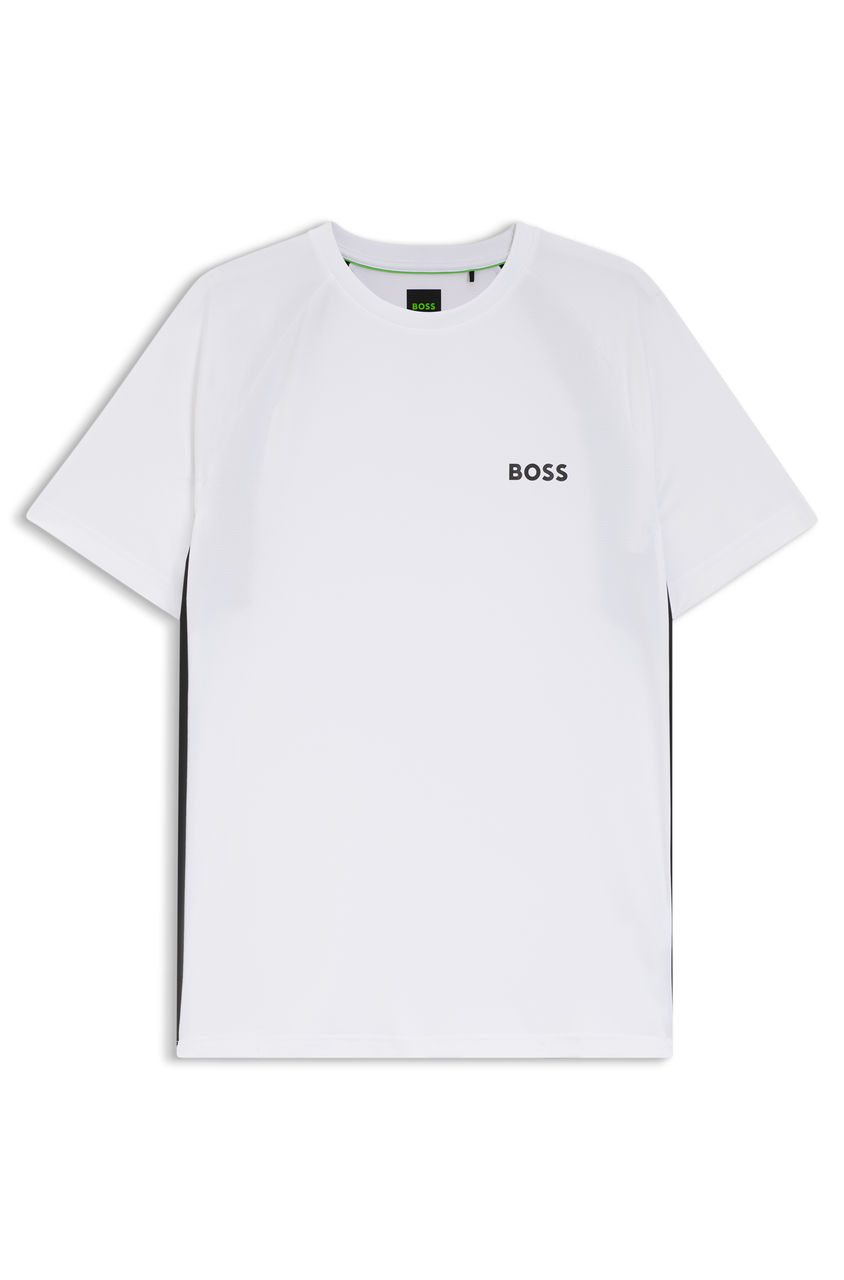
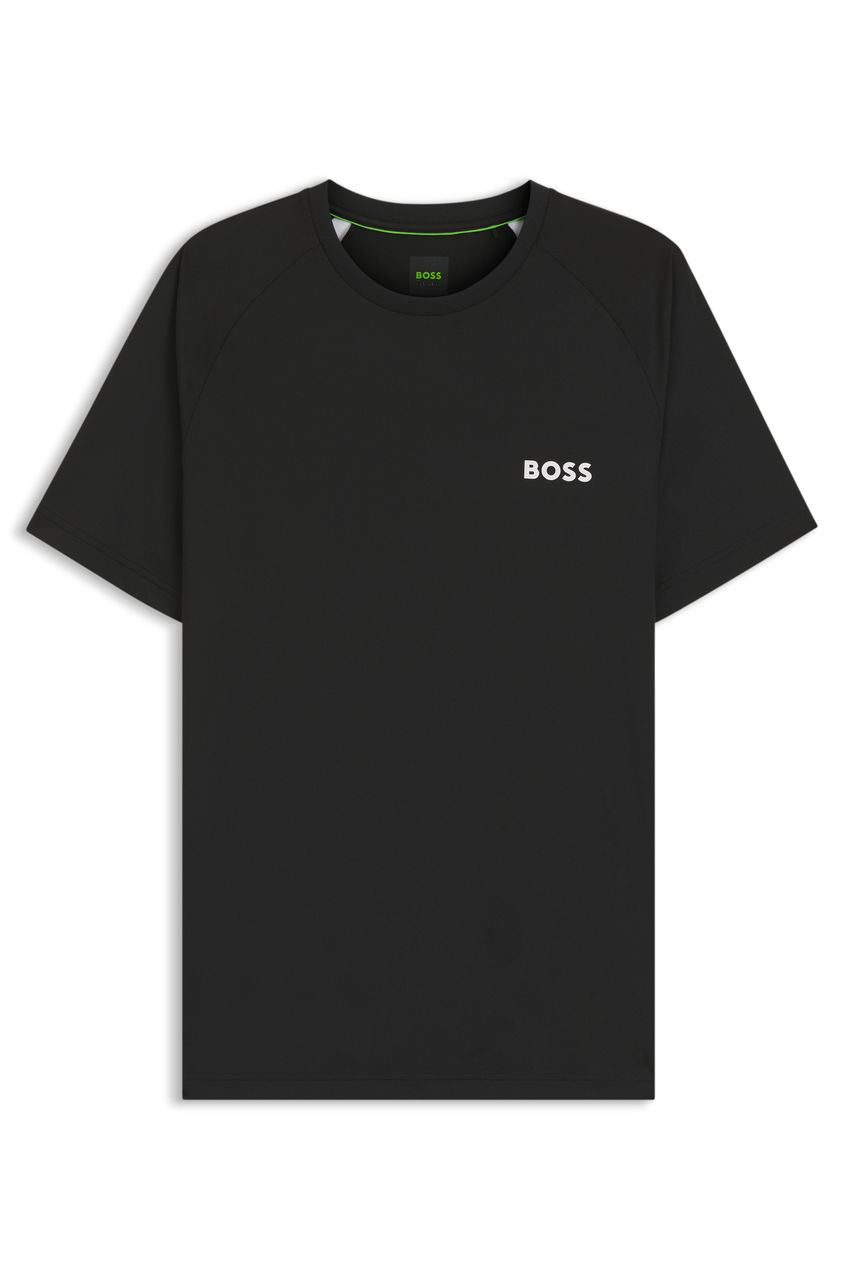
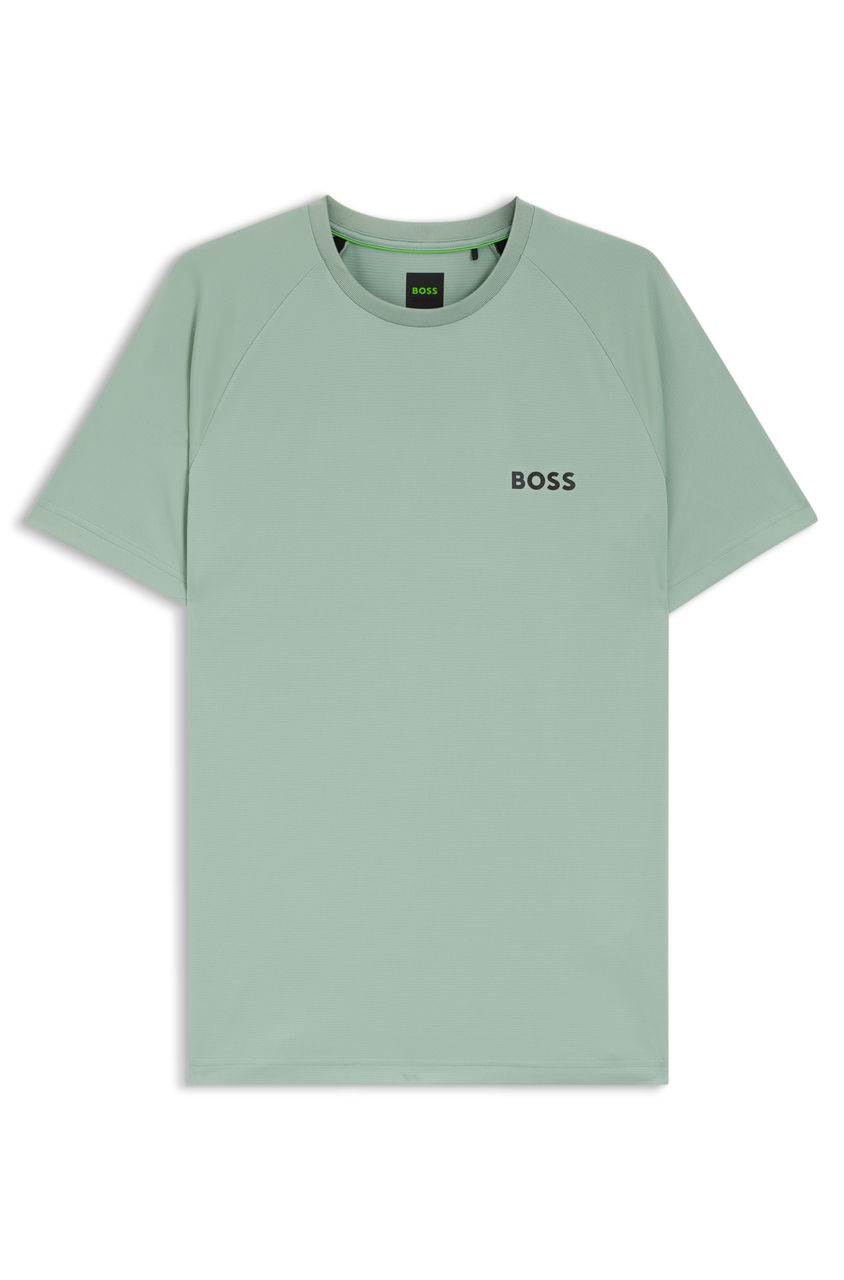
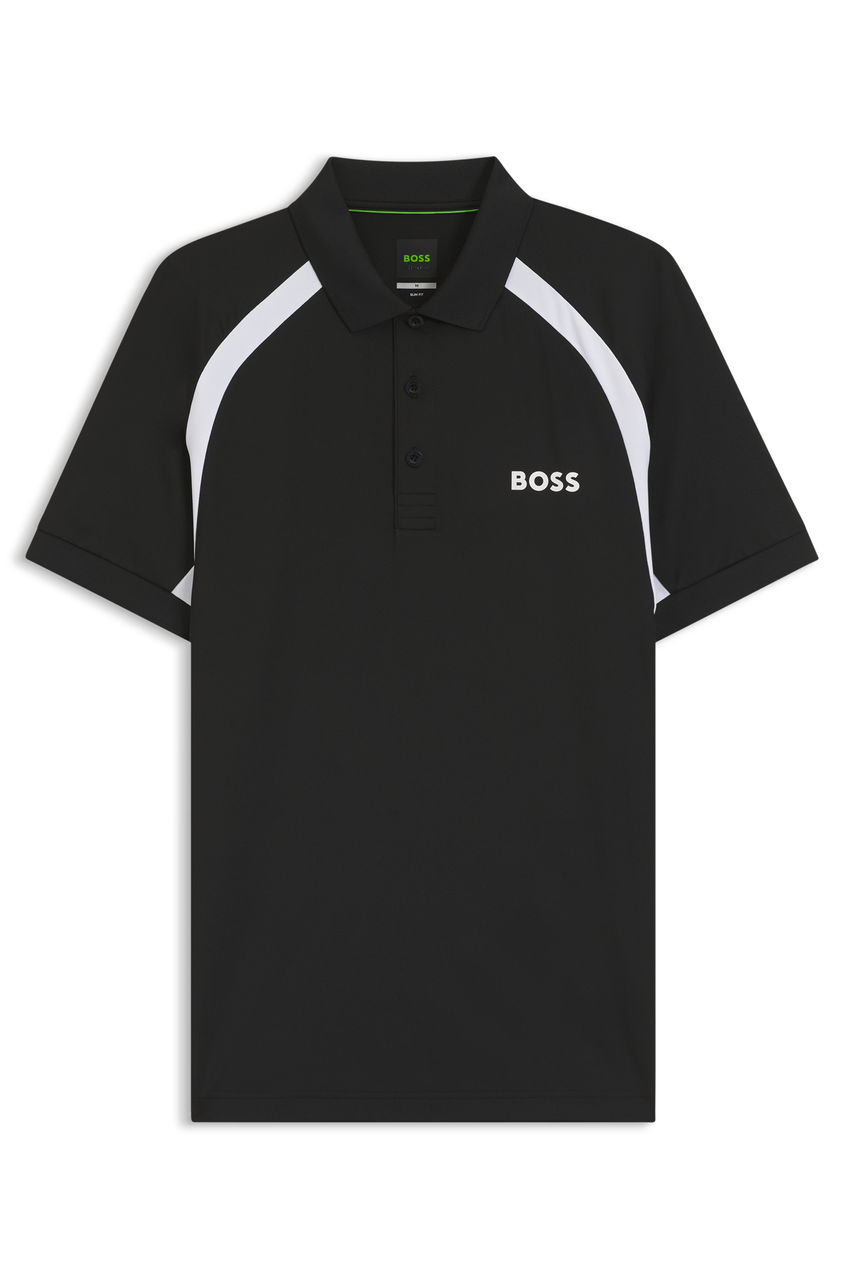
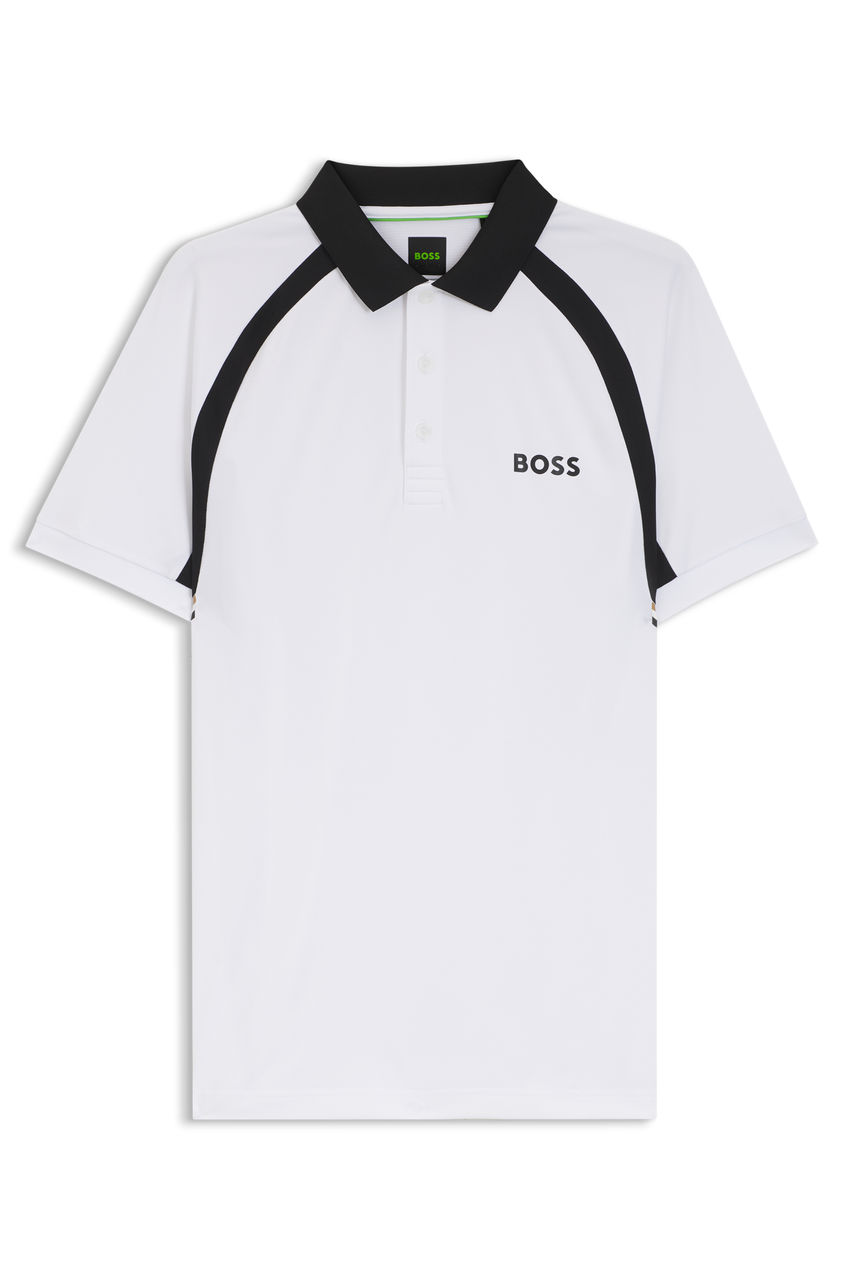
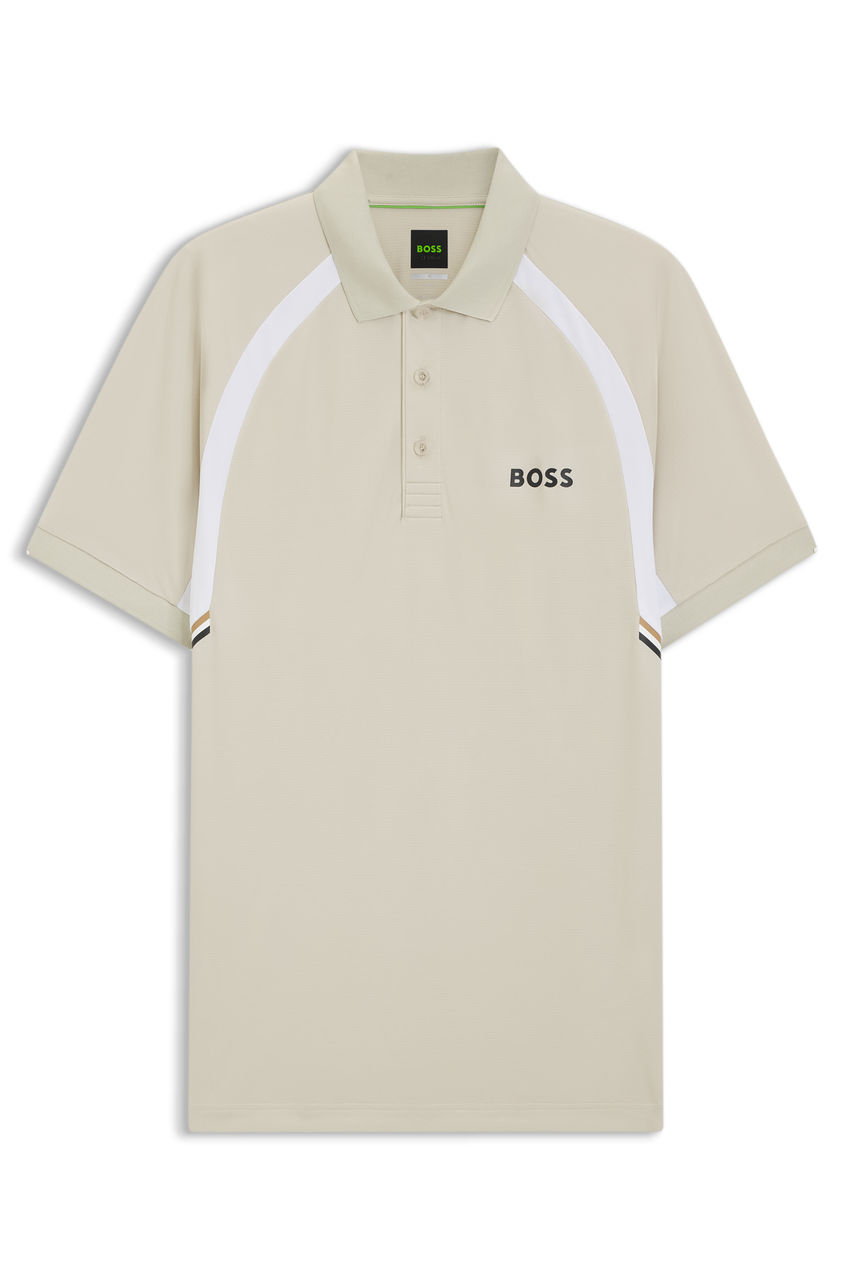
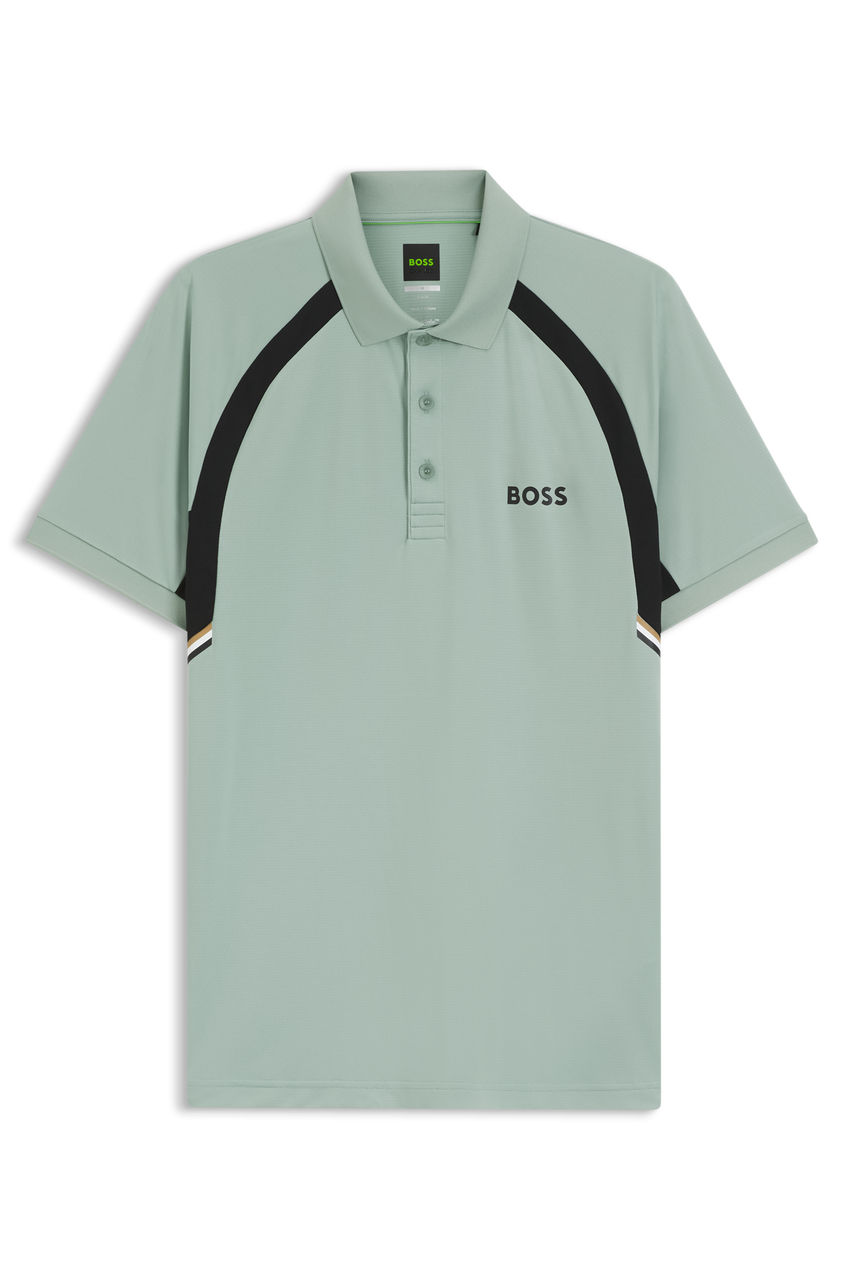
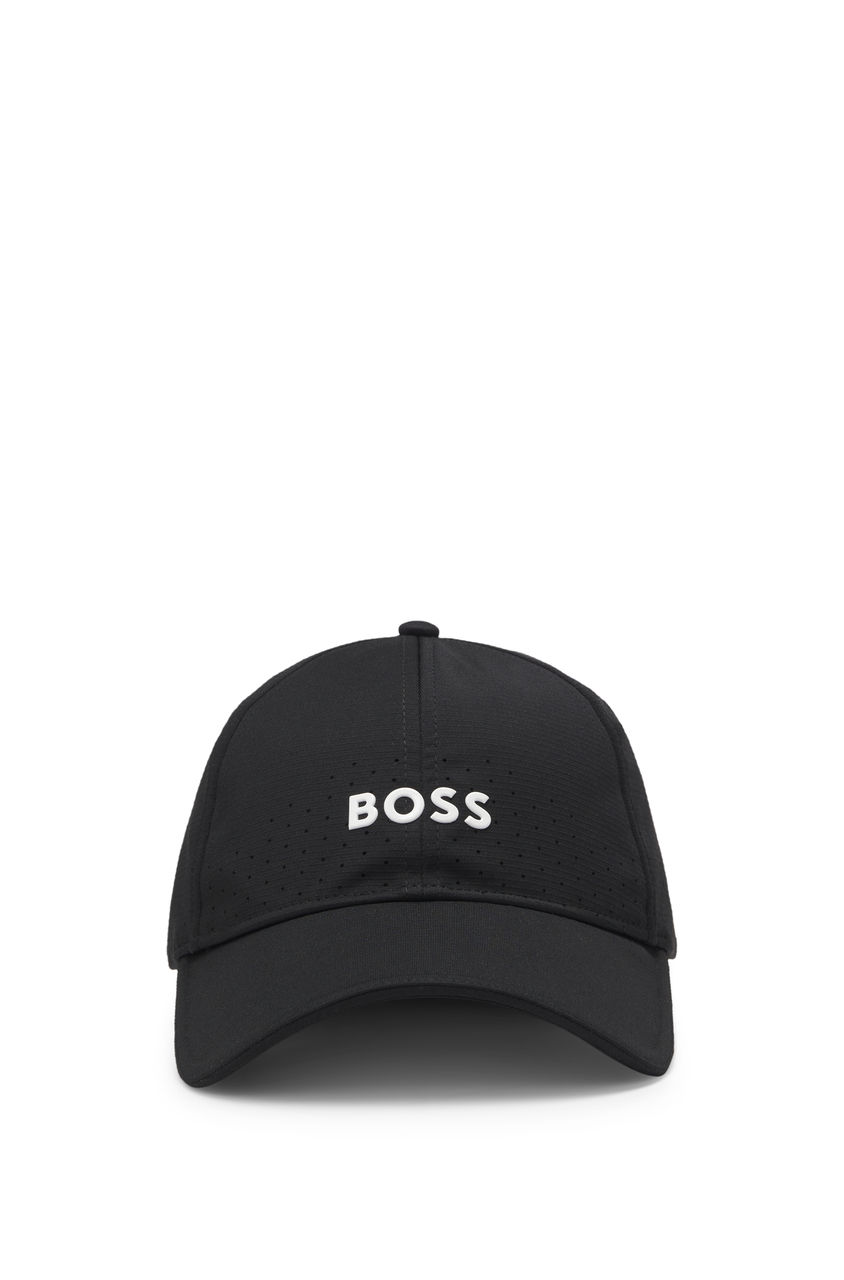
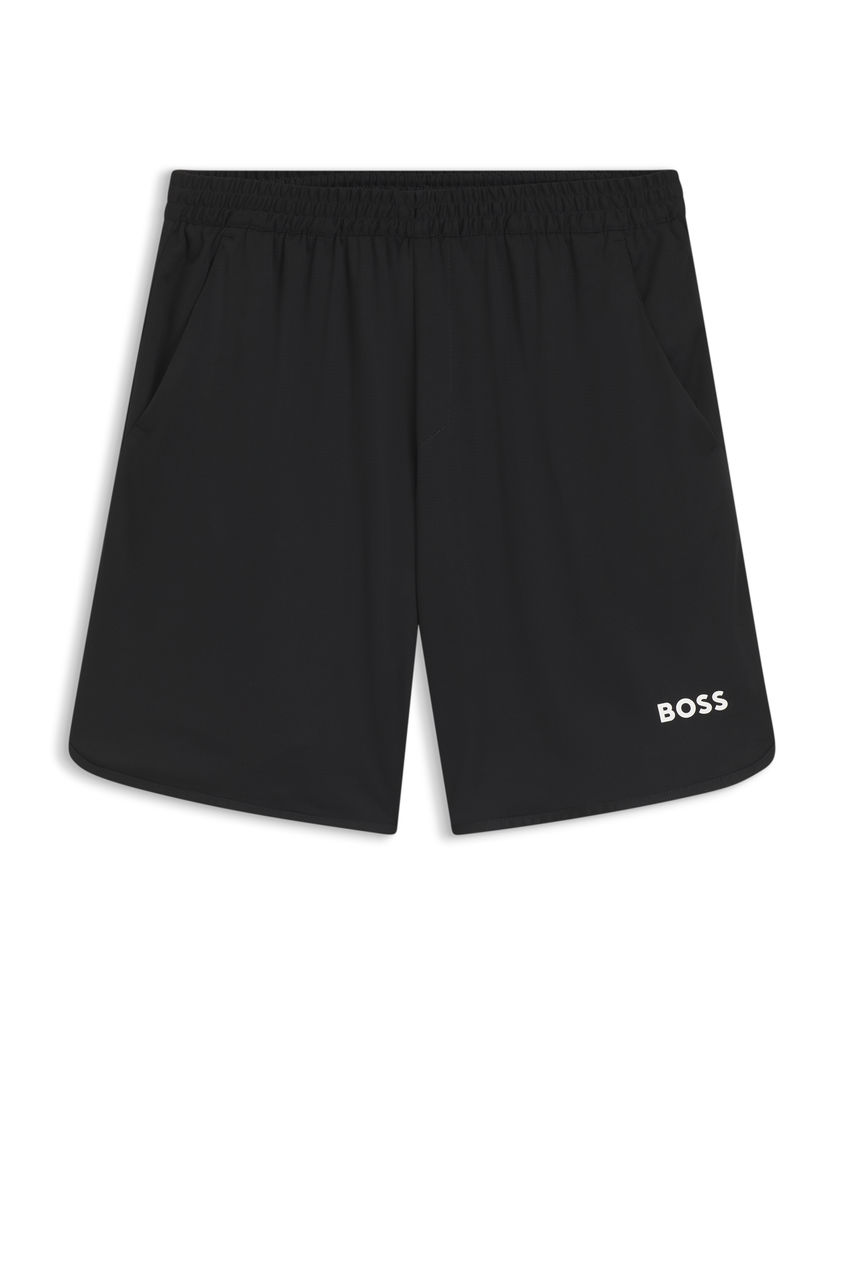
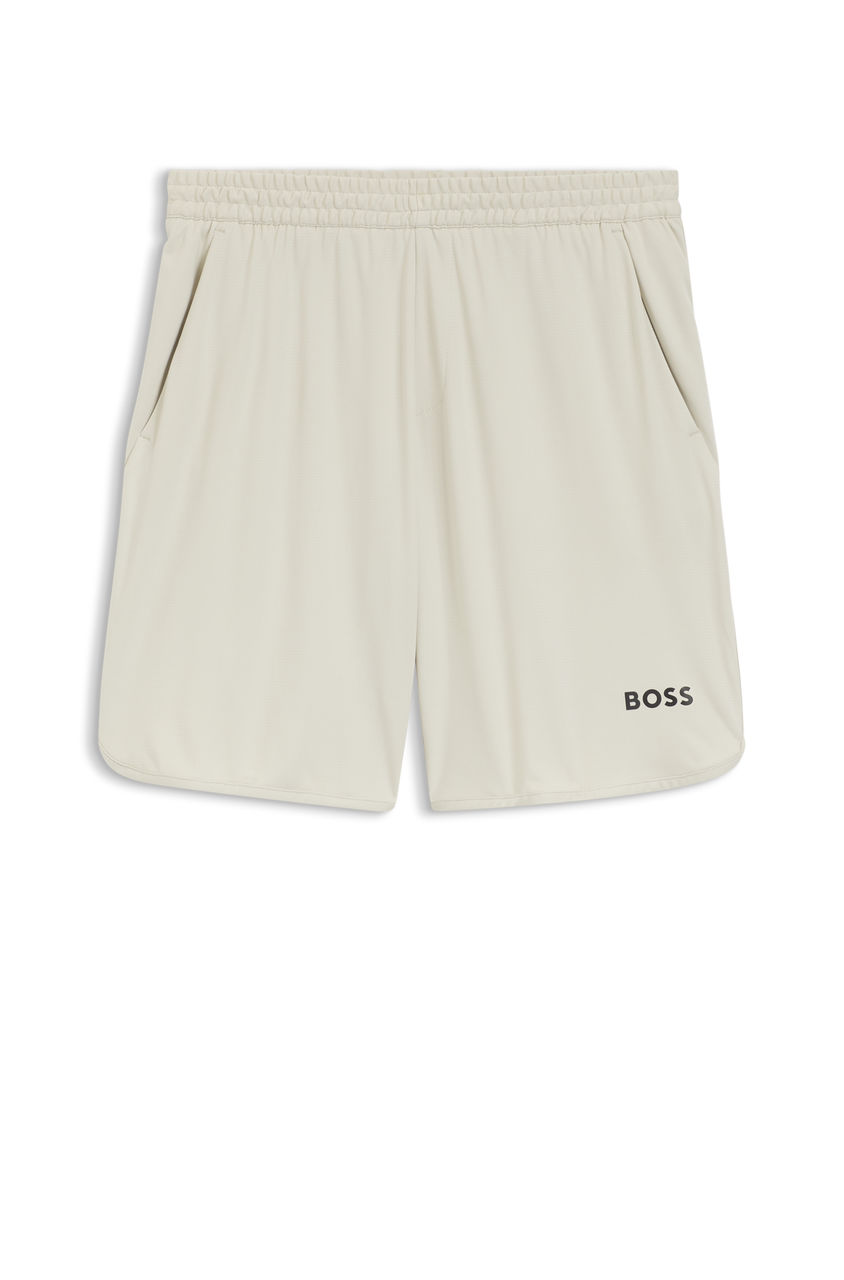
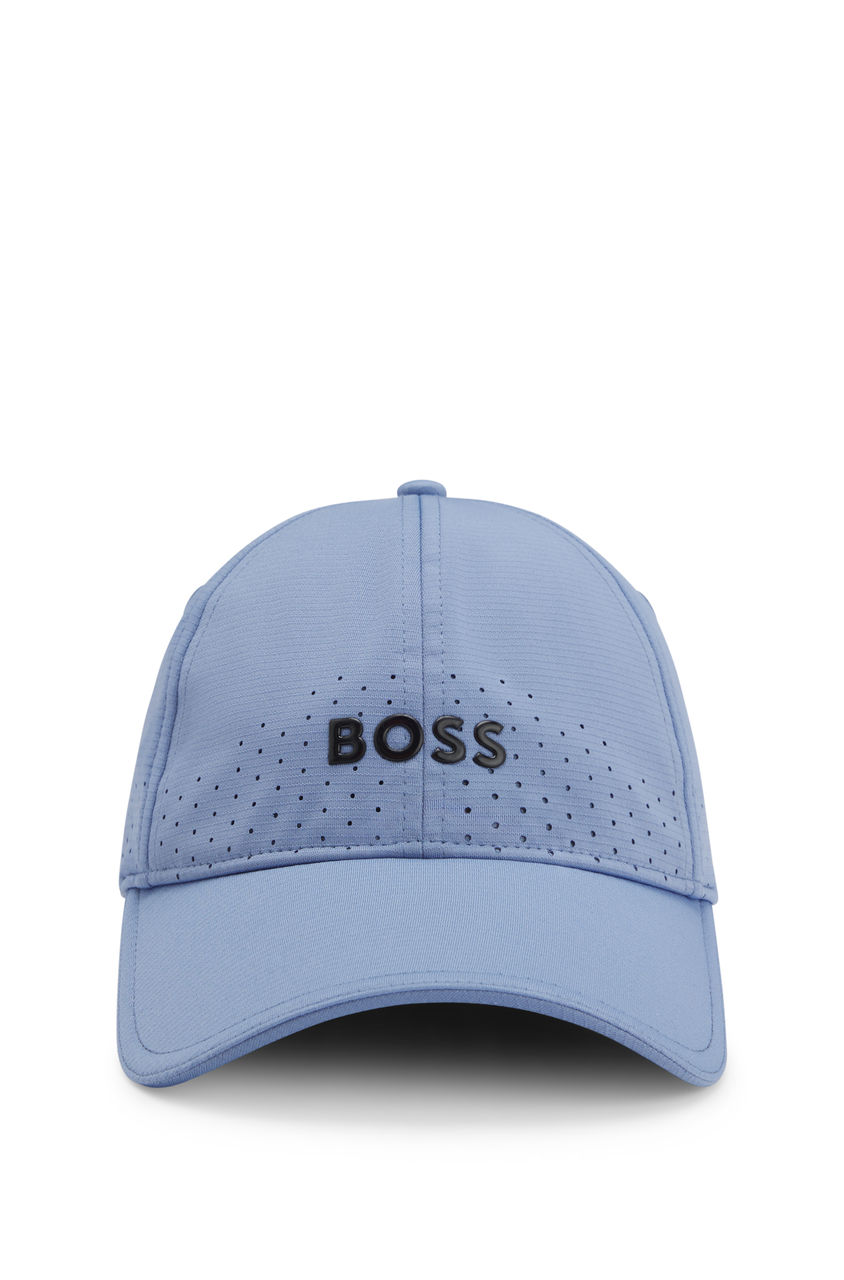
The German fashion brand has launched NovaPoly™, a recycled yarn created in partnership with Jiaren Chemical Recycling and NBC LLC. BOSS describes it as "a recycled alternative to virgin polyester with the potential to drive industry advancement," and it will be donned by Fritz and Berrettini in essential pieces such as jerseys, shorts, and caps throughout the tournament.
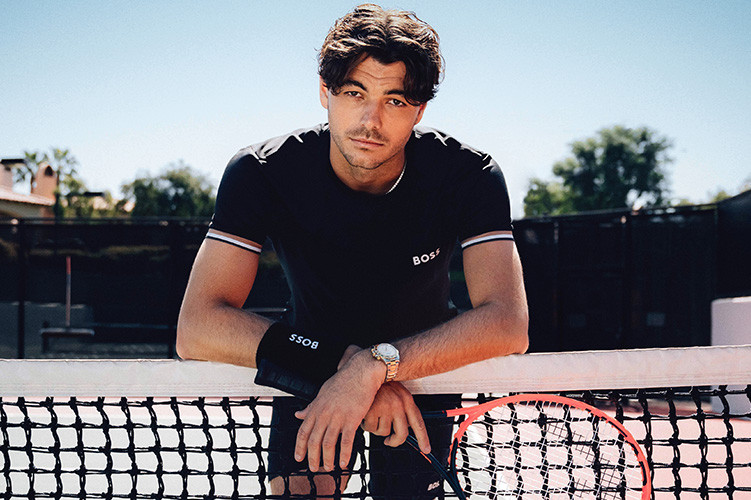
STAR TAYLOR FRITZ X BOSS
“Taylor Fritz is a great personality on and off court, and he perfectly embodies our brand values. We are more than excited that he will be brand ambassador for BOSS over the coming years. With this collaboration, we are further expanding our commitment in tennis and strengthening the 24/7 lifestyle approach of BOSS. Taylor is currently the best American tennis player, and he will play a crucial role in engaging with our fans in North America, which is an important market for us, while inspiring our consumers worldwide,” says Daniel Grieder, CEO OF HUGO BOSS.
What sets NovaPoly™ apart from other recycled synthetics is its end-of-life solution. BOSS states that the yarn includes a unique additive that enhances its degradability compared to standard polyester fibers, allowing it to biodegrade in anaerobic active microbial environments—like those found in specific landfill and marine conditions. The company references testing standards ASTM D5511, D6691, and D5210 to back up these assertions.
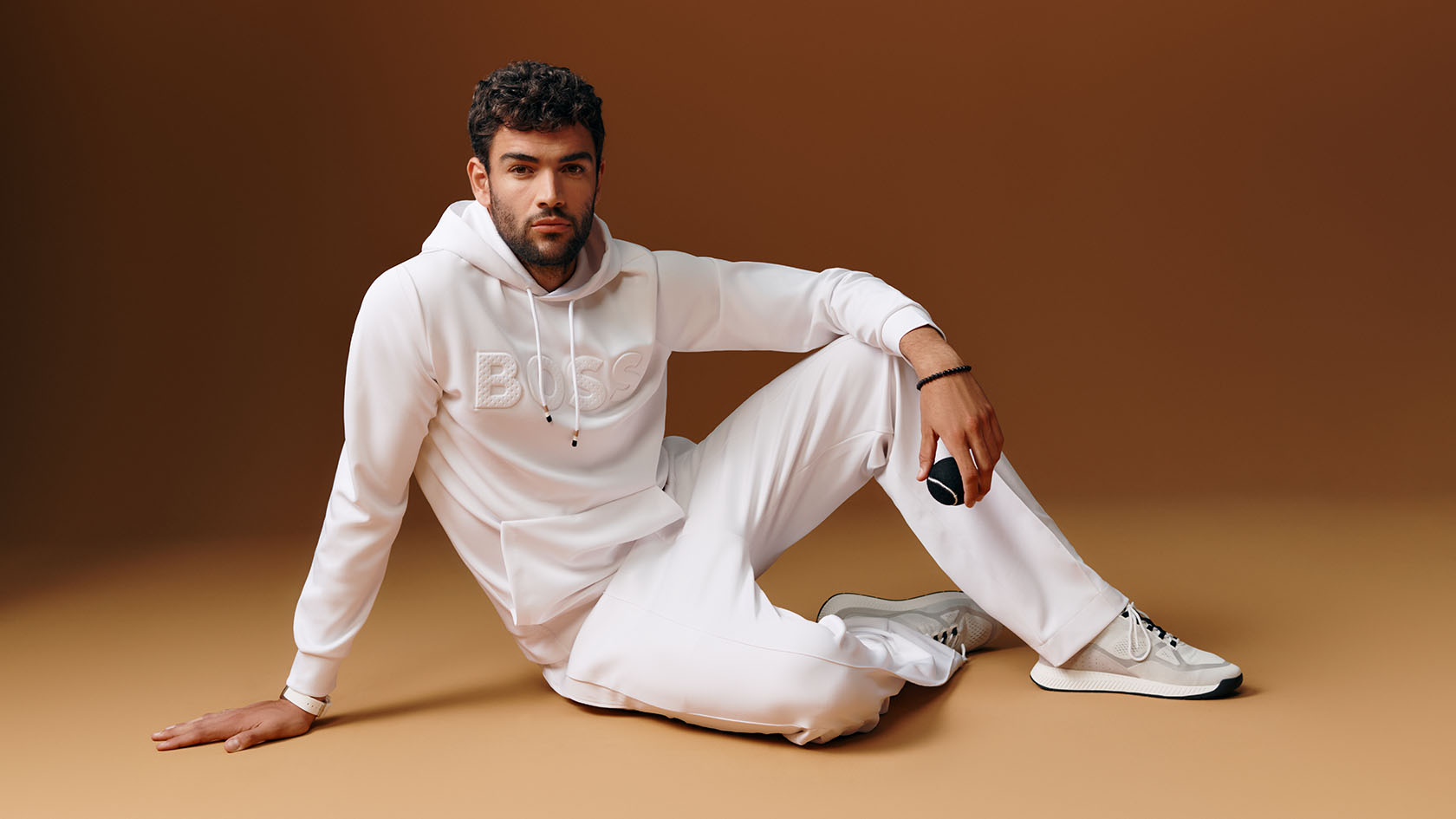
BOSS x MATTEO BERRETTINI
From Waste to Court
The yarn is crafted from recycled textile waste sourced from both pre-consumer and post-consumer phases. It represents the second textile launch under BOSS's "THE CHANGE" initiative, a platform dedicated to exploring futuristic technologies and purpose-driven design. The program aligns with HUGO BOSS's broader sustainability pillars, including efforts to combat microplastic pollution.
For a brand deeply rooted in tailoring and suiting, the move into advanced performance materials signals an intentional evolution. "More than just a yarn, NovaPoly™ is an example of BOSS's commitment to shaping the future of fashion," the company stated.
The Players Behind the Partnership
The selection of Fritz and Berrettini as the inaugural ambassadors for the material is a calculated decision. Both athletes are at the pinnacle of men's tennis—Fritz holds the title of American No. 1, while Berrettini is a former Wimbledon finalist—and their visibility on the court during a major tournament provides a high-stakes environment for testing performance wear.
This partnership also underscores BOSS's enduring commitment to tennis, a sport characterized by its traditions of immaculate white attire and tailored elegance, which naturally complements the brand's image. Yet, in this instance, tradition converges with innovation: the classic designs of tennis jerseys and shorts now embody a narrative about the material that goes beyond just the final score.
A Collaborative Supply Chain
The creation of the yarn necessitated a global collaboration. Jiaren, a subsidiary of Zhong Jian Xin Group located in China, focuses on recycling chemical polyester through a comprehensive closed-loop system. With an annual capacity of 180,000 tons once fully operational, the company processes over 200,000 tons of textile waste each year, striving to lessen dependence on new petrochemicals.
The Bigger Picture
The launch arrives at a moment when the fashion industry faces mounting scrutiny over its environmental footprint, particularly regarding synthetic fibers. Polyester, derived from petroleum, remains the most widely used textile fiber globally, and its durability—once celebrated—has become a liability as microfiber pollution and textile waste draw increased attention.
Whether NovaPoly™ proves to be a breakthrough or simply another data point in the industry's slow evolution will depend on what happens after the trophies are awarded—and after the clothes are eventually discarded.


